
Unpopular opinion alert.
“𝐈𝐟 𝐢𝐭 𝐥𝐨𝐨𝐤𝐬 𝐥𝐢𝐤𝐞 𝐃𝐞𝐬𝐢𝐠𝐧 𝐓𝐡𝐢𝐧𝐤𝐢𝐧𝐠, 𝐬𝐰𝐢𝐦𝐬 𝐥𝐢𝐤𝐞 𝐃𝐞𝐬𝐢𝐠𝐧 𝐓𝐡𝐢𝐧𝐤𝐢𝐧𝐠 𝐚𝐧𝐝 𝐪𝐮𝐚𝐜𝐤𝐬 𝐥𝐢𝐤𝐞 𝐃𝐞𝐬𝐢𝐠𝐧 𝐓𝐡𝐢𝐧𝐤𝐢𝐧𝐠, 𝐭𝐡𝐞𝐧 𝐢𝐭 𝐩𝐫𝐨𝐛𝐚𝐛𝐥𝐲 𝐢𝐬 𝐃𝐞𝐬𝐢𝐠𝐧 𝐓𝐡𝐢𝐧𝐤𝐢𝐧𝐠”.
Or, the post facto labelling challenge in Design Thinking in academia.
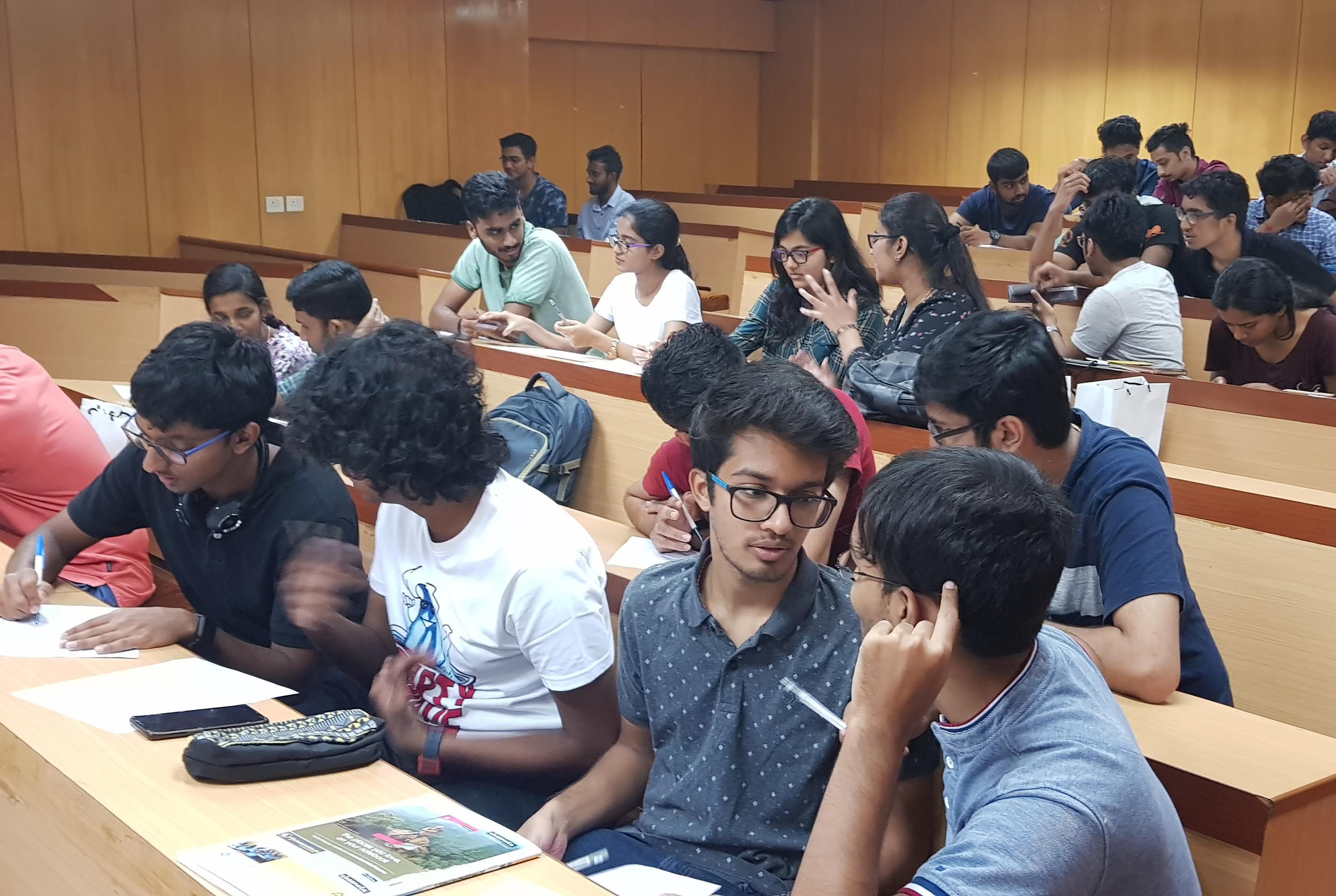
Last week, I was on a call with a university that is creating a repository of what they called ‘Design Thinking Success Stories’. As they took me through some of those I asked,
“𝑫𝒊𝒅 𝒕𝒉𝒆 𝒕𝒆𝒂𝒎𝒔 𝒌𝒏𝒐𝒘𝒊𝒏𝒈𝒍𝒚 𝒂𝒑𝒑𝒍𝒚 Design Thinking, 𝒐𝒓 𝒂𝒓𝒆 𝒚𝒐𝒖 𝒄𝒂𝒍𝒍𝒊𝒏𝒈 𝒊𝒕 Design Thinking 𝒍𝒐𝒐𝒌𝒊𝒏𝒈 𝒂𝒕 𝒘𝒉𝒂𝒕 𝒕𝒉𝒆𝒚 𝒅𝒊𝒅?”
And uncomfortable silence, a silence quite common in academia eagerly searching for such success stories for validation (and case studies), to look at instances of problem solving in the world and call it “Design Thinking”.
𝐄𝐯𝐞𝐧 𝐢𝐟 𝐭𝐡𝐨𝐬𝐞 𝐰𝐡𝐨 𝐰𝐞𝐫𝐞 𝐬𝐨𝐥𝐯𝐢𝐧𝐠 𝐩𝐫𝐨𝐛𝐥𝐞𝐦𝐬 𝐡𝐚𝐝 𝐧𝐞𝐯𝐞𝐫 𝐡𝐞𝐚𝐫𝐝 𝐨𝐟 𝐃𝐞𝐬𝐢𝐠𝐧 𝐓𝐡𝐢𝐧𝐤𝐢𝐧𝐠.
I have always maintained that Design Thinking is not rocket science, and for most people it mirrors the most common-sensical approach to innovation we have used forever: discover the problem and why it exists, then solve in a creative and agile manner and validate through feedback.
Many people practice processes that does that mirroring to arrive at outcomes, inadvertently and unknowingly.
Yet I see the temptation among researchers and academics to grab those stories and label them Design Thinking, while honestly they are not.
Yes, the stories do “look, swim and quack” like Design Thinking, but if the solutions are not outcomes of intentional practice of it, I find it incorrect to call them so.
𝐃𝐞𝐬𝐢𝐠𝐧 𝐓𝐡𝐢𝐧𝐤𝐢𝐧𝐠 𝐢𝐬 𝐭𝐡𝐞 𝐨𝐮𝐭𝐜𝐨𝐦𝐞 𝐨𝐟 𝐭𝐡𝐞 𝐚𝐩𝐩𝐥𝐢𝐜𝐚𝐭𝐢𝐨𝐧 𝐨𝐟 “𝐠𝐨𝐨𝐝 𝐝𝐞𝐬𝐢𝐠𝐧” 𝐩𝐫𝐢𝐧𝐜𝐢𝐩𝐥𝐞𝐬 𝐚𝐧𝐝 𝐩𝐫𝐨𝐜𝐞𝐬𝐬𝐞𝐬 𝐭𝐨 𝐬𝐨𝐥𝐯𝐞 𝐩𝐫𝐨𝐛𝐥𝐞𝐦𝐬. 𝐀𝐧𝐝 𝐩𝐫𝐚𝐜𝐭𝐢𝐭𝐢𝐨𝐧𝐞𝐫𝐬 𝐦𝐮𝐬𝐭 𝐡𝐚𝐯𝐞 𝐭𝐡𝐞 𝐤𝐧𝐨𝐰𝐥𝐞𝐝𝐠𝐞 𝐚𝐧𝐝 𝐮𝐧𝐝𝐞𝐫𝐬𝐭𝐚𝐧𝐝𝐢𝐧𝐠 𝐨𝐟 𝐭𝐡𝐨𝐬𝐞 𝐩𝐫𝐢𝐧𝐜𝐢𝐩𝐥𝐞𝐬 𝐚𝐧𝐝 𝐩𝐫𝐨𝐜𝐞𝐬𝐬𝐞𝐬 𝐭𝐨 𝐬𝐚𝐲 𝐭𝐡𝐚𝐭 𝐭𝐡𝐞𝐢𝐫 𝐬𝐨𝐥𝐮𝐭𝐢𝐨𝐧𝐬 𝐫𝐞𝐬𝐮𝐥𝐭𝐬 𝐨𝐟 𝐚𝐩𝐩𝐥𝐲𝐢𝐧𝐠 𝐃𝐞𝐬𝐢𝐠𝐧 𝐓𝐡𝐢𝐧𝐤𝐢𝐧𝐠.
That knowledge and understanding come from 𝐥𝐞𝐚𝐫𝐧𝐢𝐧𝐠 Design Thinking with rigour to be able to practice with clarity and focus. It is a sophisticated and structured approach, followed with intention and thought, never losing sight of the experiences of the people you are solving for.
Taught, learnt, practiced, mastered.
And honestly, I find it odd when universities don’t see this: the teaching is what attracts students, and if any approach that looks (and swims and quacks) like it then why bother to take up a course and learn Design Thinking at all?
Even authors writing on designing thinking rely on success stories that can be post facto labeled “Design Thinking”, but the people concerned didn’t go about practicing Design Thinking to get to success.
I love to ask this question to the deans and professors and authors I often interact with.
Waiting for a reasonably satisfying answer.
… Anirban

The Painted Sky & Design Thinking
Extensive Experience: Deep and wide experience in conducting Design Thinking for Innovation projects: over 15 years and 45,000+ hours.
Deep Expertise: Team of coaches and facilitators with over 150 years of strong and diverse industry work experience and credentials and certifications in Design Thinking from reputed institutions around the world.
Strong Bench Strength: Among the largest teams of experienced coaches and facilitators ensuring the capability to handle large projects and deliver with efficiency. Strong Project Management capabilities.
Design Thinking Credentials: A member of the prestigious Global Design Thinking Alliance, enjoying collaboration access to finest experts in Design Thinking, and global content and research.
Leadership Development Background: 20+ years of L&OD experience, bringing cutting edge understanding of Learning Experience Design and content in related and relevant topics for overall learner growth and performance.